主要研究領域
Major Research Areas
1. 微生物誘導礦物沉澱及其環境與工業應用
1. Microbially Induced Mineral Precipitation and Its Environmental and Industrial Applications
微生物誘導礦物沉澱(Microbially Induced Mineral Precipitation, MIMP)是EBMM Lab最具代表性的研究主軸。實驗室探討微生物如何誘導碳酸鈣、碳酸錳、二氧化錳、二氧化矽、羥基磷灰石及氧化鋅等功能性礦物的生成,並將其應用於下列領域:
Microbially induced mineral precipitation (MIMP) is one of the EBMM Lab’s most representative research areas. The laboratory investigates how microorganisms induce the formation of functional minerals such as calcium carbonate, manganese carbonate, manganese dioxide, silica, hydroxyapatite, and zinc oxide. These processes and materials are applied in the following areas:
- 重金屬固定與污染場址復育
Heavy-metal immobilization and remediation of contaminated sites - 二氧化碳固定及礦物碳封存
Carbon dioxide fixation and mineral carbon sequestration - 低碳水泥與永續建築材料
Low-carbon cement and sustainable construction materials - 土壤膠結、邊坡穩定與土壤侵蝕防治
Soil cementation, slope stabilization, and erosion control - 地盤改良及土壤液化防治
Ground improvement and soil-liquefaction mitigation - 工業副產物穩定化與資源循環
Stabilization of industrial by-products and resource circulation - 抗菌、抗病毒及光催化材料開發
Development of antibacterial, antiviral, and photocatalytic materials
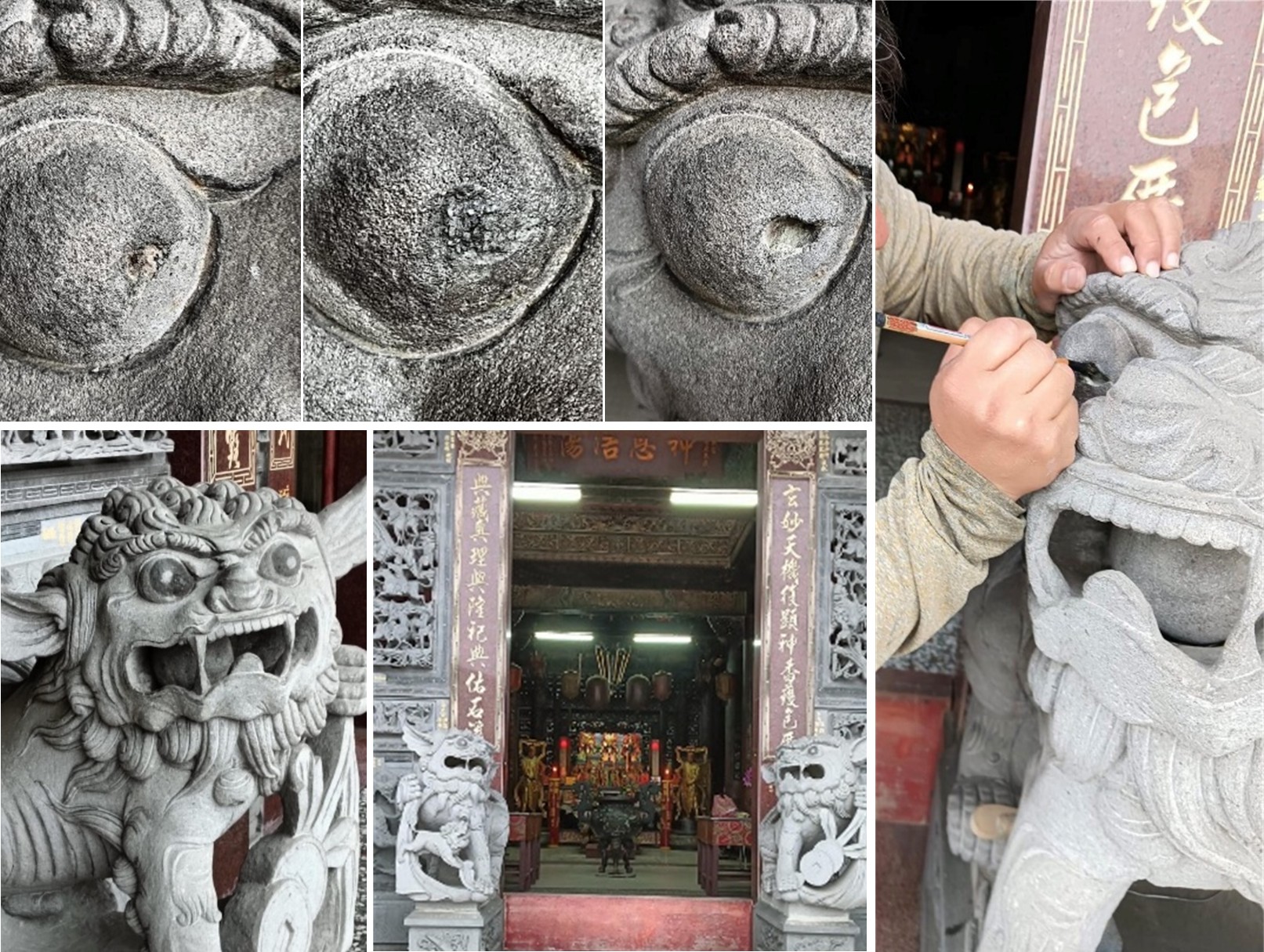
An eye doctor treating a tiger’s eyes using MICP.
相關研究已取得多項專利並完成技術移轉,展現生物礦化技術在環境、建築與材料產業中的應用潛力。
The related research has resulted in multiple patents and completed technology transfers, demonstrating the substantial potential of microbial mineralization in the environmental, construction, and materials industries.
2. 生物礦化奈米材料與綠色合成技術
2. Biomineralized Nanomaterials and Green Synthesis Technologies
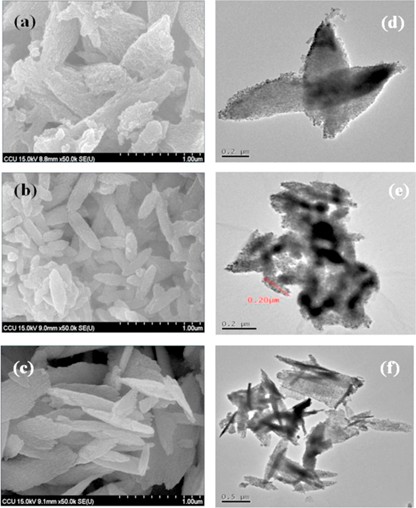
實驗室利用細菌、微藻及其他生物系統合成氧化鋅、二氧化鈦、介孔二氧化矽及其他奈米材料,以降低傳統化學合成對高溫、高能耗及有毒試劑的依賴。
The laboratory employs bacteria, microalgae, and other biological systems to synthesize zinc oxide, titanium dioxide, mesoporous silica, and other nanomaterials, reducing the dependence of conventional chemical synthesis on high temperatures, intensive energy consumption, and toxic reagents.
研究重點包括材料生成機制、晶體結構、表面特性、抗菌與抗病毒功能、光催化能力、重金屬吸附及環境安全性,期望建立兼具高效能、低環境負荷及產業可行性的綠色奈米材料製程。
Research topics include material-formation mechanisms, crystal structures, surface properties, antibacterial and antiviral functions, photocatalytic performance, heavy-metal adsorption, and environmental safety. The objective is to establish green nanomaterial manufacturing processes that combine high performance, low environmental impact, and industrial feasibility.
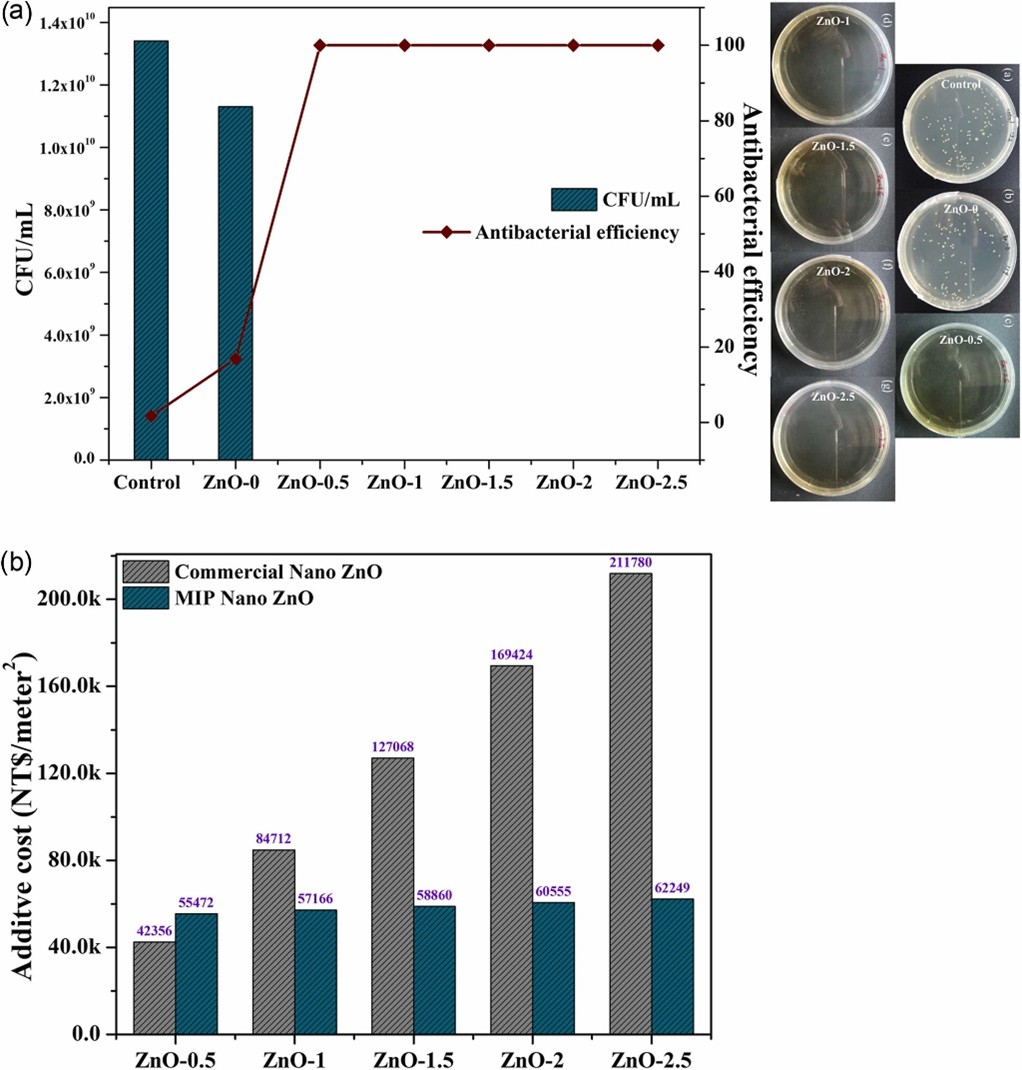
Cost-effective microbial induced ZnO synthesis for building material: Antibacterial, photocatalytic and mechanical characteristics, Environmental Technology and Innovation, 2024
3. 泡沫分離與生物表面活性劑技術
3. Foam Separation and Biosurfactant Technologies
泡沫分離與生物表面活性劑可應用於受污染水體及土壤中的污染物濃縮、分離與去除。實驗室特別關注表面活性素(Surfactin)等微生物來源的界面活性物質,探討其在重金屬去除、油污處理、奈米材料合成及生物技術製程中的多功能應用。
Foam separation and biosurfactants can be applied to the concentration, separation, and removal of contaminants from polluted water and soil. The laboratory focuses particularly on microbially derived surface-active compounds such as surfactin and investigates their multifunctional applications in heavy-metal removal, oil-pollution treatment, nanomaterial synthesis, and biotechnological processes.
此類技術具有操作條件溫和、環境負荷較低,以及可與其他處理程序整合等優點,可作為傳統化學處理方法的綠色替代方案。
These technologies offer several advantages, including mild operating conditions, relatively low environmental impacts, and compatibility with other treatment processes. They therefore provide greener alternatives to conventional chemical treatment methods.
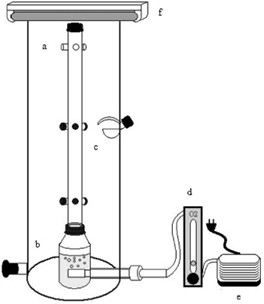
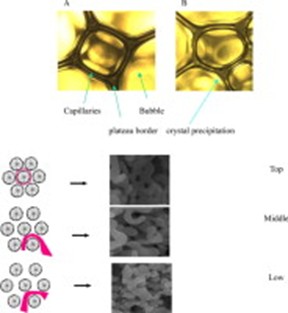
Foam fractionation of crystal growth for nanotechnology, Chemical Engineering Journal, 2012
Foam fractionation of crystal growth for nanotechnology, Chemical Engineering Journal, 2012
4. 地下水與土壤砷污染及復育技術
4. Arsenic Contamination and Remediation in Groundwater and Soil
陳教授長期投入地下水砷污染的生物地球化學研究,並與孟加拉、印度、日本、土耳其、美國、瑞典及澳洲等國學者合作,探討全球不同地質環境中砷的來源、釋放、遷移與累積機制。
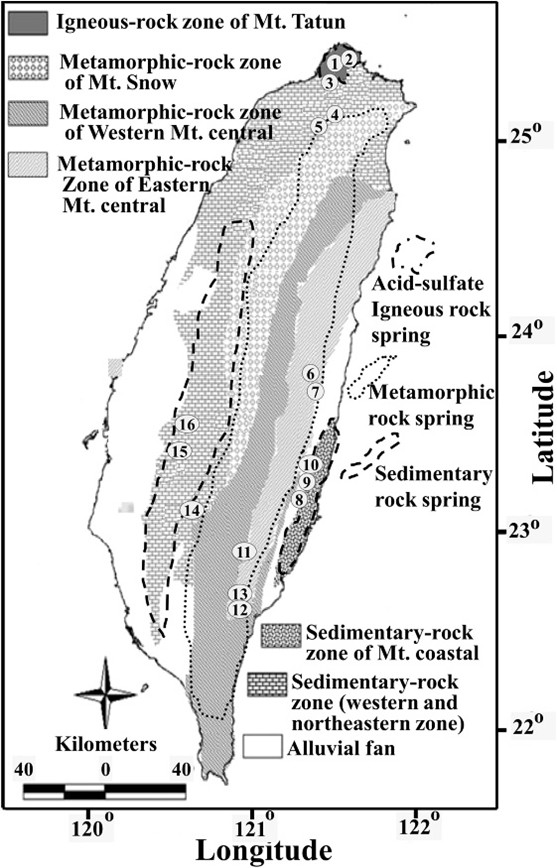
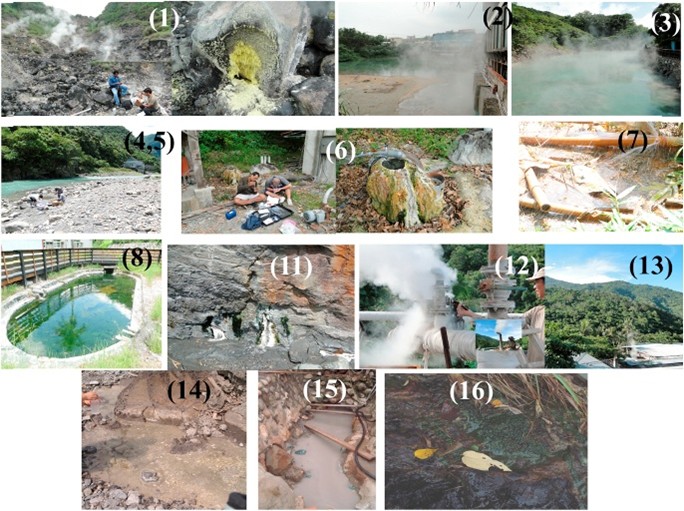
Hydrogeochemical reconnaissance of arsenic cycling and possible environmental risk in hydrothermal systems of Taiwan, Groundwater for Sustainable Development, 2017
Professor Chen has long been engaged in biogeochemical research on arsenic contamination in groundwater. He collaborates with scholars from Bangladesh, India, Japan, Türkiye, the United States, Sweden, Australia, and other countries to investigate the sources, release, transport, and accumulation mechanisms of arsenic under different geological conditions worldwide.
實驗室結合天然礦物材料、微生物作用、吸附技術與奈米材料,發展兼具永續性、可擴充性及地區適用性的砷污染復育方法,並關注砷暴露對環境健康及社會發展所造成的影響。
The laboratory integrates natural mineral materials, microbial processes, adsorption technologies, and nanomaterials to develop sustainable, scalable, and regionally appropriate arsenic-remediation methods. It also examines the effects of arsenic exposure on environmental health and social development.
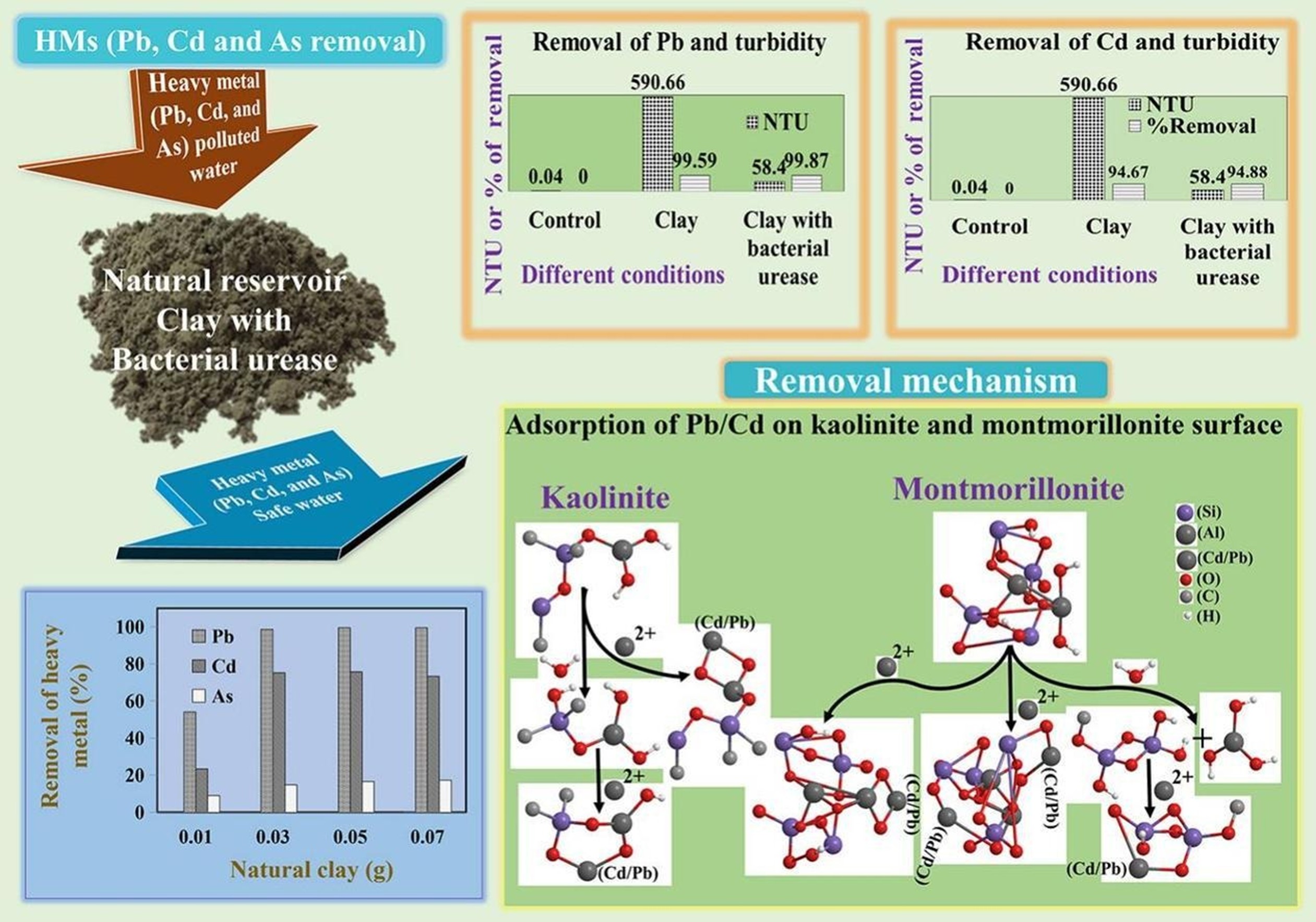
Ecofriendly removal of Lead, Cadmium and Arsenic along with turbidity from contaminated water using natural reservoir clay (NRC) and S. pasteurii derived urease
Desalination, 2023
5. 微生物生物轉化與環境生態毒理
5. Microbial Biotransformation and Environmental Ecotoxicology
本研究方向探討微生物面對重金屬、類金屬及有機污染物時的生理反應與生物轉化機制,包括:
This research area investigates the physiological responses and biotransformation mechanisms of microorganisms exposed to heavy metals, metalloids, and organic contaminants, including:
- 污染物的生物降解與生物轉化
Biodegradation and biotransformation of contaminants - 細菌在環境壓力下的適應機制
Bacterial adaptation mechanisms under environmental stress - 金屬硫蛋白在金屬累積與解毒中的作用
Roles of metallothioneins in metal accumulation and detoxification - 氧化壓力、抗氧化反應及細胞保護機制
Oxidative stress, antioxidant responses, and cellular protection mechanisms - 污染物、微生物及礦物界面的交互作用
Interactions among contaminants, microorganisms, and mineral interfaces
研究成果有助於了解微生物如何適應受污染環境,並可作為生物復育、風險評估及環境管理的重要科學基礎。
These findings improve our understanding of how microorganisms adapt to contaminated environments and provide an important scientific foundation for bioremediation, risk assessment, and environmental management.
6. 微生物燃料電池與廢水資源化
6. Microbial Fuel Cells and Wastewater Valorization
微生物燃料電池(Microbial Fuel Cells, MFCs)能利用微生物分解有機物並同步產生電能,兼具廢水處理、污染削減與能源回收功能。
Microbial fuel cells (MFCs) employ microorganisms to degrade organic matter while simultaneously generating electricity, thereby integrating wastewater treatment, pollution reduction, and energy recovery.
EBMM Lab研究不同產電微生物、電極材料、操作條件及污染物組成對系統效能的影響,並嘗試將生物礦化材料與微生物燃料電池結合,以提升污染處理效率、電子傳遞能力及系統穩定性。
The EBMM Lab investigates how different electrogenic microorganisms, electrode materials, operating conditions, and contaminant compositions affect system performance. The laboratory also integrates biomineralized materials with microbial fuel cells to improve treatment efficiency, electron-transfer capacity, and system stability.
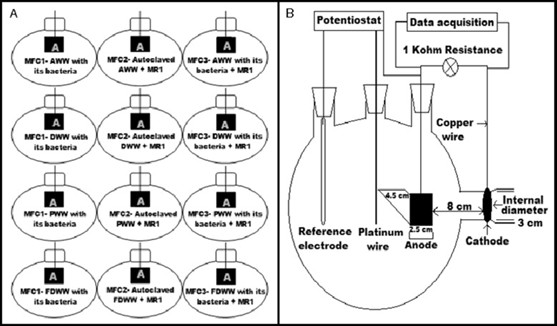
Comparative bioelectricity production from various wastewaters in microbial fuel cells using mixed cultures and a pure strain of Shewanella oneidensis
7. 海洋油污鑑識、生物降解與綠色清理技術
7. Marine Oil-Spill Forensics, Biodegradation, and Green Cleanup Technologies
實驗室針對災難性油污事件及船舶油品污染,進行油品特性、來源辨識、穩定同位素指紋、微生物降解及環境風險研究。
The laboratory investigates catastrophic oil-spill events and marine fuel contamination through petroleum characterization, source identification, stable-isotope fingerprinting, microbial degradation analysis, and environmental risk assessment.
在高雄西子灣油污事件的研究中,團隊發現本地微生物群落具有降解複合碳氫化合物的能力,顯示原生微生物可作為油污生物復育的重要資源。實驗室亦成功開發疏水性方解石顆粒(Hydrophobic Calcite),可用於油品吸附與污染清理,同時改善建築材料的防水性及耐久性。
In a study of the oil-spill incident at Sizihwan in Kaohsiung, the research team found that indigenous microbial communities possessed a strong capacity to degrade complex hydrocarbons, indicating that native microorganisms can serve as valuable resources for oil-pollution bioremediation. The laboratory also successfully developed hydrophobic calcite particles that can be used for oil adsorption and pollution cleanup while improving the water resistance and durability of construction materials.
目前研究進一步結合化學組成、碳氫穩定同位素及人工智慧分析,建立快速船舶油污鑑識與來源比對技術。
Current research further integrates chemical composition analysis, stable carbon and hydrogen isotope fingerprinting, and artificial intelligence to establish rapid technologies for marine oil-spill forensics and source comparison.
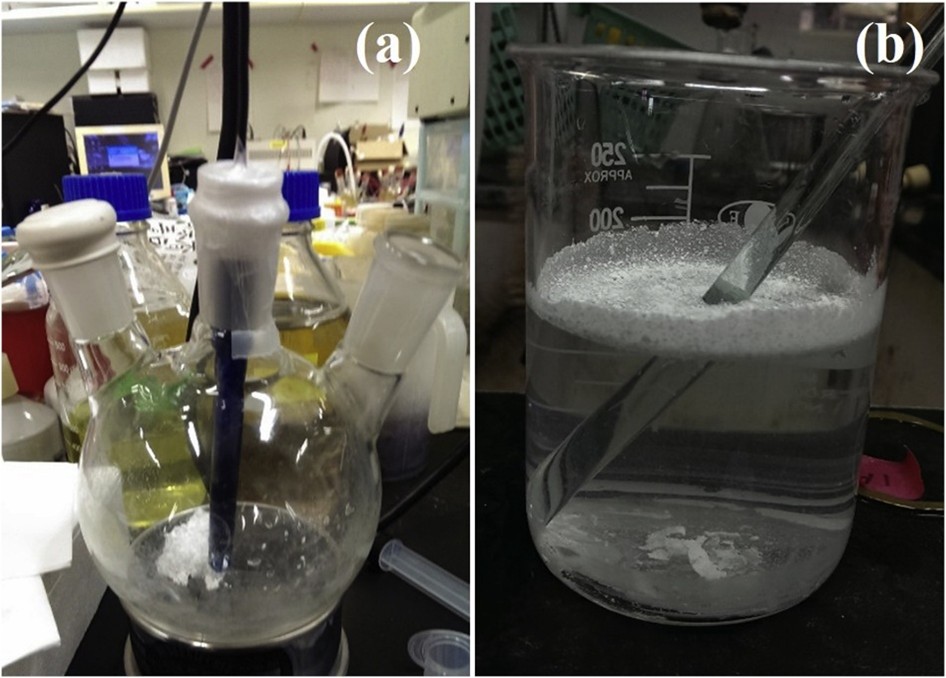
Green technological approach to synthesis hydrophobic stable crystalline calcite particles with one-pot synthesis for oil–water separation during oil spill cleanup
Water Research, 2017
8. 紅樹林、藍碳與重金屬生物地球化學
8. Mangroves, Blue Carbon, and Heavy-Metal Biogeochemistry
紅樹林、鹽沼及海草床是重要的沿海藍碳生態系。實驗室探討沿海沉積物中的碳儲量、碳來源、累積速率及長期封存能力,並評估藍碳與黑碳在氣候變遷調適、碳管理及淨零政策中的功能。
Mangroves, salt marshes, and seagrass beds are important coastal blue-carbon ecosystems. The laboratory investigates carbon stocks, carbon sources, accumulation rates, and long-term sequestration capacities in coastal sediments. It also evaluates the roles of blue carbon and black carbon in climate-change adaptation, carbon management, and net-zero policies.
同時,研究團隊探討紅樹林根系、沉積物與根際微生物如何影響重金屬及砷的吸附、固定與生物可利用性。耐鹽磷溶解根際細菌(Phosphate-Solubilizing Rhizobacteria, PSRB)在促進植物生長及重金屬修復方面具有重要潛力,可進一步應用於濕地復育、沿海環境管理及永續農業。
The research team also investigates how mangrove roots, sediments, and rhizosphere microorganisms influence the adsorption, immobilization, and bioavailability of heavy metals and arsenic. Salt-tolerant phosphate-solubilizing rhizobacteria (PSRB) have considerable potential to promote plant growth and facilitate heavy-metal remediation and may be applied to wetland restoration, coastal environmental management, and sustainable agriculture.
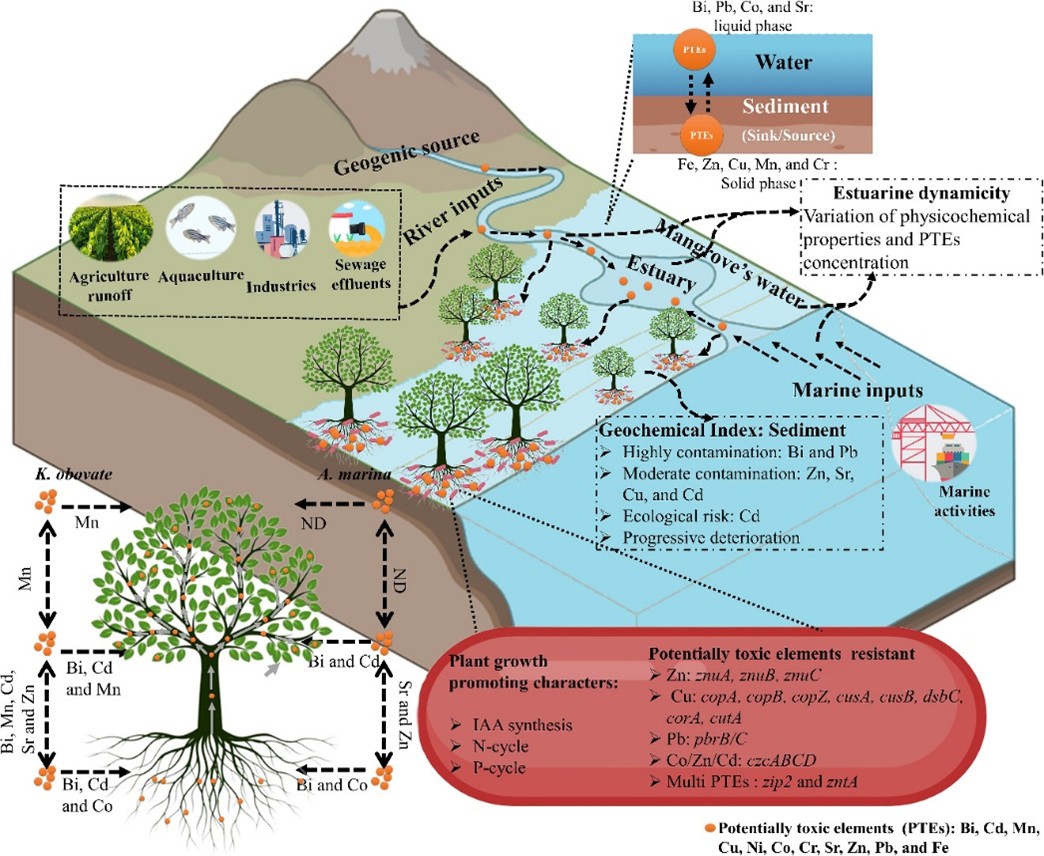
Evaluation and mitigation of potentially toxic elements contamination in mangrove ecosystem: Insights into phytoremediation and microbial perspective
Marine Pollution Bulletin, e2024
9. 環境DNA與DNA條碼技術
9. Environmental DNA and DNA Barcoding Technologies
環境DNA(Environmental DNA, eDNA)是一種非侵入性且高靈敏度的生物多樣性監測工具,可透過水體、土壤或沉積物中的生物遺傳物質,辨識環境中存在的物種。
Environmental DNA (eDNA) is a non-invasive and highly sensitive tool for biodiversity monitoring. It enables researchers to identify species present in an environment by detecting biological genetic material collected from water, soil, or sediment.
實驗室將eDNA與DNA條碼技術應用於臺灣入侵種福壽螺的分布監測、物種鑑定、植物多樣性分析及生態交互作用研究。此技術可提升稀有種、外來種及水域生物的監測效率,並為生物多樣性保育及生態管理提供科學依據。
The laboratory applies eDNA and DNA barcoding technologies to distribution monitoring of invasive golden apple snails in Taiwan, species identification, plant-diversity analysis, and research on ecological interactions. These technologies can improve the efficiency of monitoring rare, invasive, and aquatic species and provide scientific evidence for biodiversity conservation and ecological management.
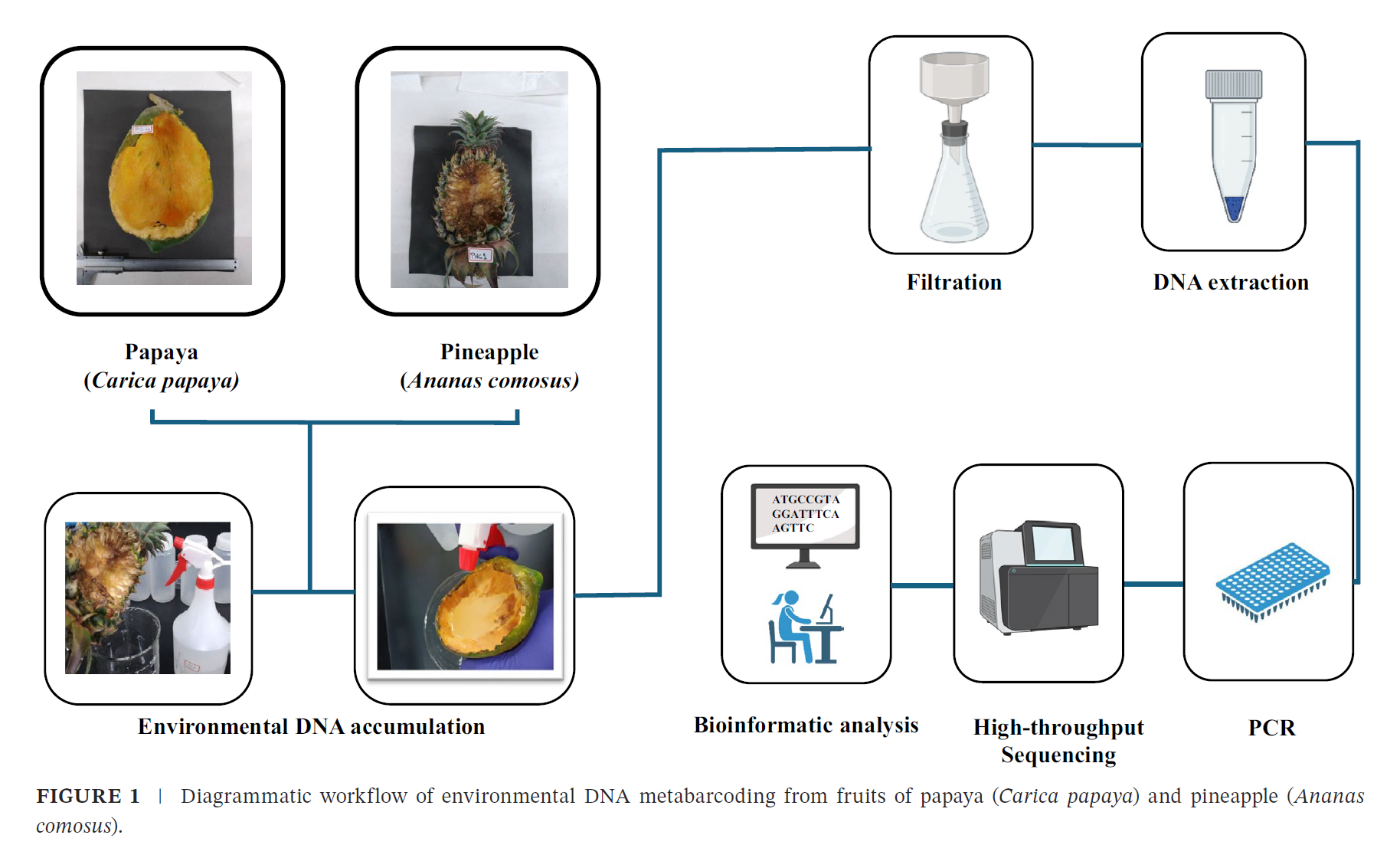
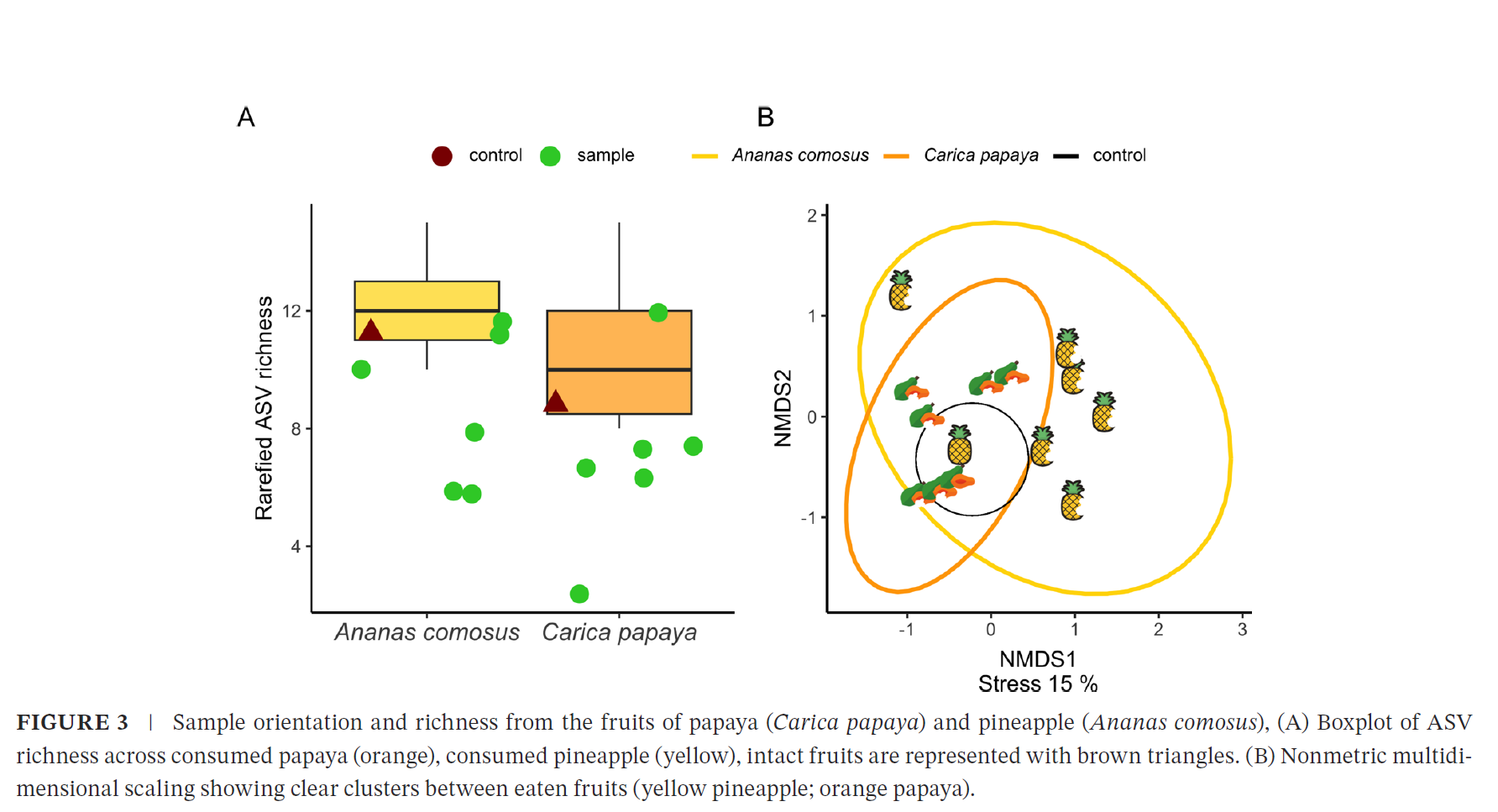
Harnessing Environmental DNA to Explore Frugivorous Interactions: A Case Study in Papaya (Carica papaya) and Pineapple (Ananas comosus), Environmental DNA, 2025
Harnessing Environmental DNA to Explore Frugivorous Interactions: A Case Study in Papaya (Carica papaya) and Pineapple (Ananas comosus), Environmental DNA, 2025
10. 微塑膠污染與人工智慧鑑識
10. Microplastic Pollution and Artificial Intelligence-Based Identification
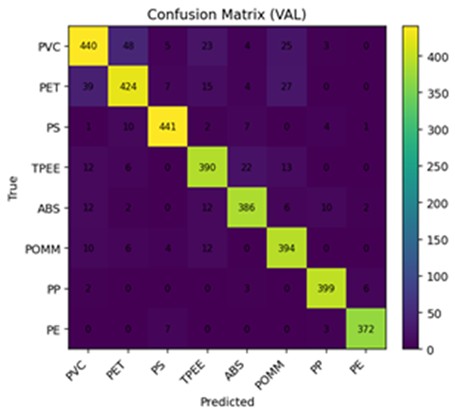
EBMM Lab亦積極發展微塑膠污染的採樣、分析與人工智慧辨識技術。研究整合傅立葉轉換紅外光譜、顯微紅外光譜、拉曼光譜及高光譜影像,分析環境中微塑膠的數量、尺寸、形態、顏色及聚合物組成。
The EBMM Lab actively develops technologies for microplastic sampling, analysis, and artificial intelligence-based identification. The research integrates Fourier-transform infrared spectroscopy, micro-FTIR spectroscopy, Raman spectroscopy, and hyperspectral imaging to characterize the abundance, size, shape, color, and polymer composition of environmental microplastics.
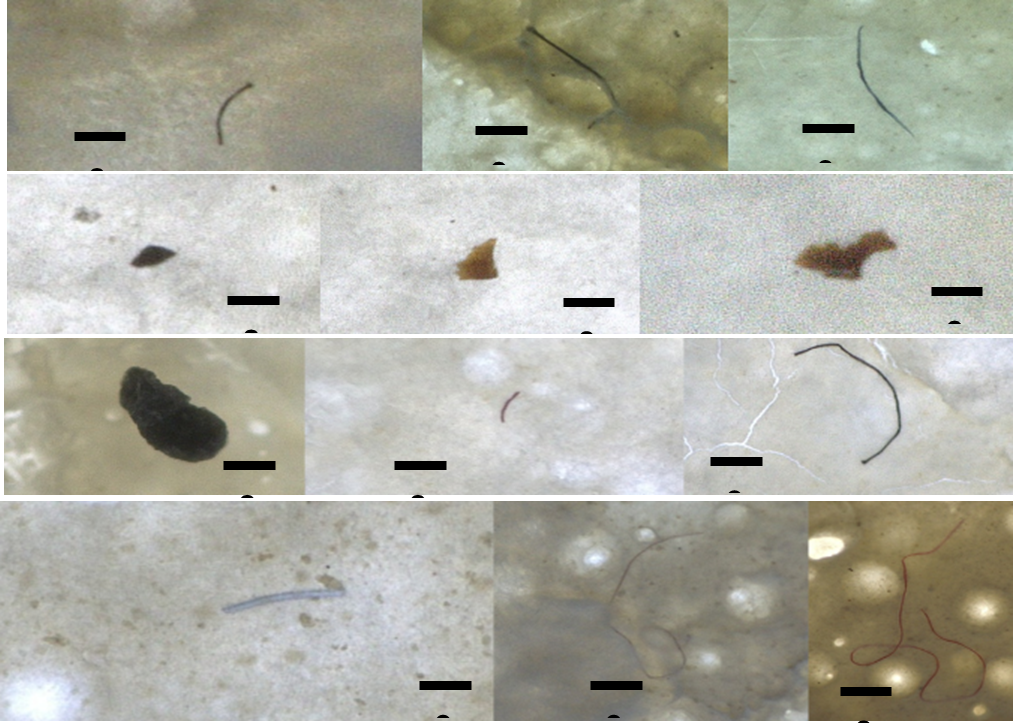
透過人工智慧與光譜資料庫的建立,可提升微塑膠辨識效率與準確度,進一步追蹤其污染來源、環境傳輸途徑及潛在生態風險。
By establishing artificial intelligence models and spectral databases, the laboratory aims to improve the efficiency and accuracy of microplastic identification and further trace pollution sources, environmental transport pathways, and potential ecological risks.