Introduction to the Chien-Yen Chen Laboratory
Laboratory of Environmental Biogeochemistry, Microbial Mineralization, and Sustainable Materials (EBMM Lab)
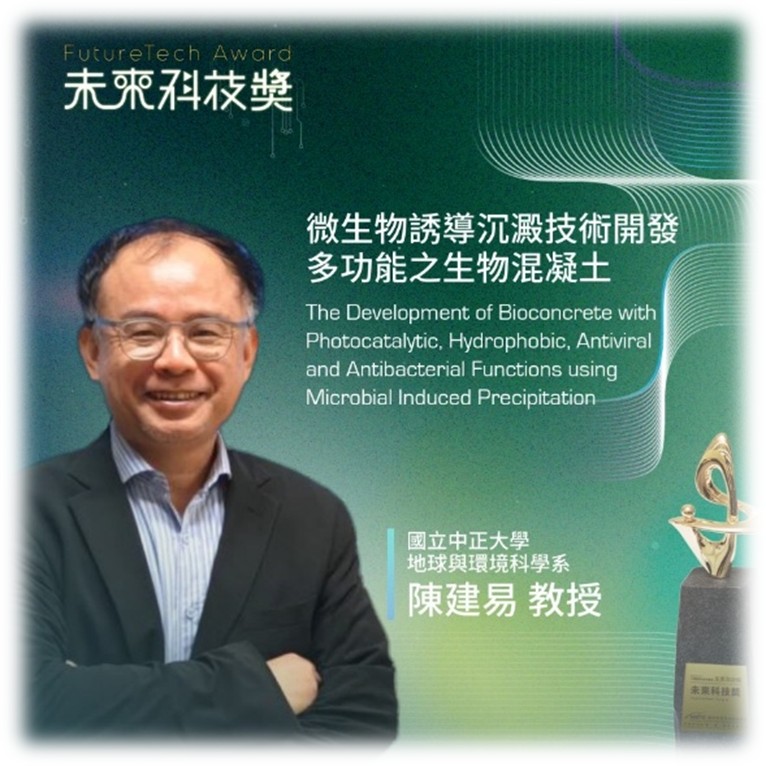
The Chien-Yen Chen Laboratory (EBMM Lab), led by Professor Chien-Yen Chen, is affiliated with the Department of Earth and Environmental Sciences at National Chung Cheng University. Centered on environmental biogeochemistry, microbial mineralization, and sustainable materials, the laboratory integrates earth science, environmental microbiology, materials science, nanotechnology, and environmental engineering. Its research investigates interactions between microorganisms and minerals and translates fundamental scientific discoveries into practical applications, including environmental remediation, low-carbon construction materials, carbon sequestration, ecological engineering, and sustainable materials.
從古老的生物礦化到現代永續材料
From Ancient Biomineralization to Modern Sustainable Materials
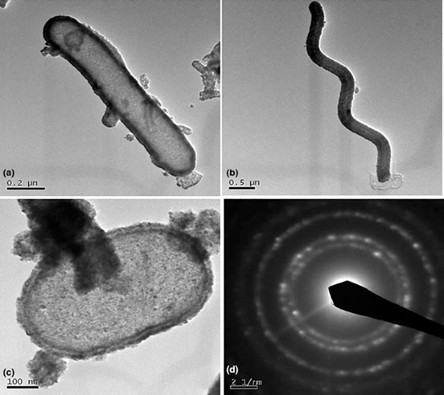
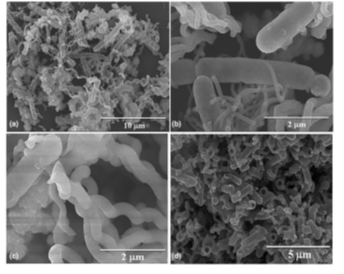
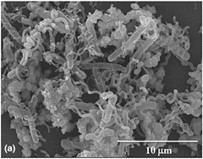
Professor Chen’s research expertise originates from his in-depth investigation of microbial mineralization. Microbially mediated mineral formation has an ancient history that can be traced back approximately 3.5 billion years to stromatolites formed through the activity of cyanobacteria. Through their metabolic activities, microorganisms can alter environmental pH, redox conditions, and ion concentrations, thereby promoting the formation of carbonates, phosphates, oxides, and other minerals.
Similar concepts of mineral cementation can also be observed in traditional construction methods, in which early societies used lime, sticky-rice paste, clay, and natural organic materials as binding agents. Examples include traditional earthen houses and temples in Taiwan, ancient churches in Europe, and the Great Wall of China. These materials demonstrate close relationships among natural organic matter, microbial processes, and mineral cementation, providing important inspiration for the development of modern biomineralized materials.
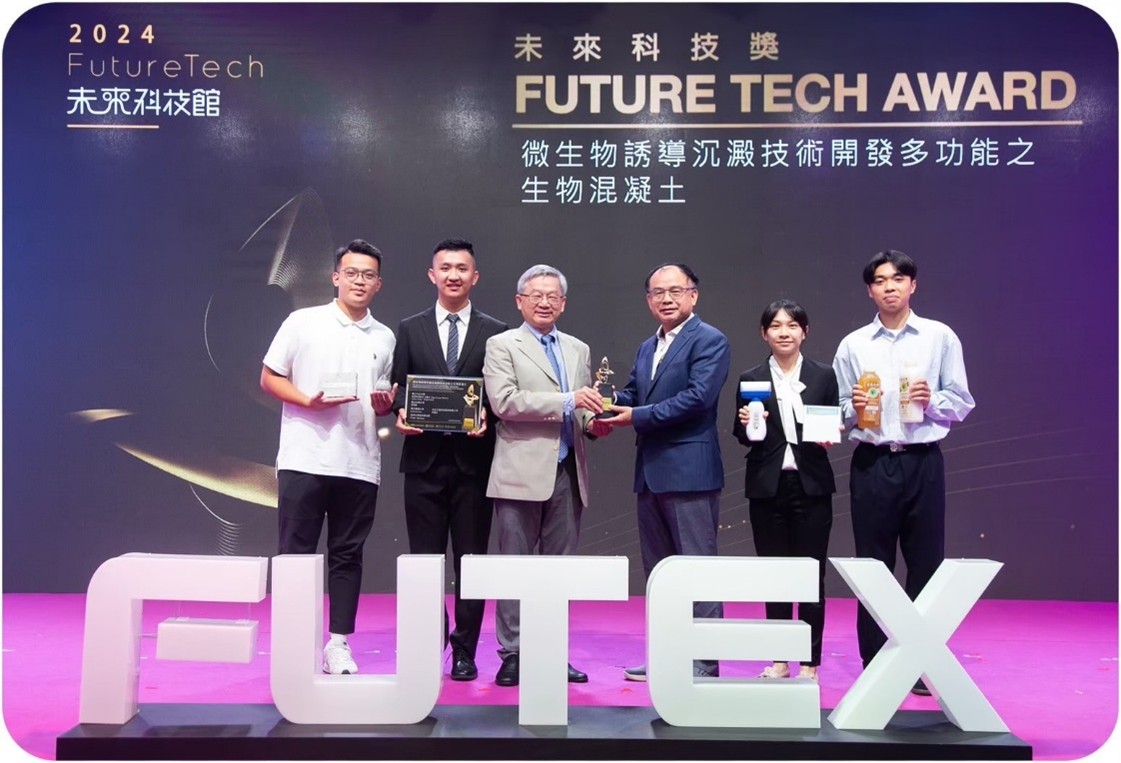
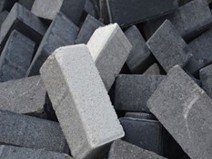
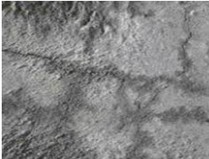
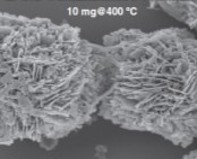
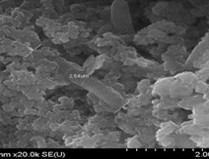
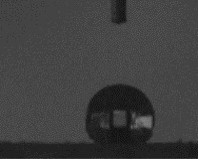
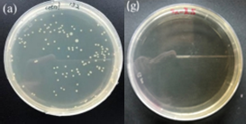
In recent years, Professor Chen has extended this ancient natural mechanism to modern cement, concrete, and environmental material technologies. His team has developed low-carbon and durable biomaterials with antibacterial and antiviral functions for potential use in hospitals, public spaces, temporary medical facilities, field hospitals, and other environments with stringent hygiene requirements. The related technologies are protected by domestic and international patents and received NT$15 million in funding from Taiwan’s Ministry of Economic Affairs through the Value Creation Program in 2023 to support commercialization and industrial application.
 |
 |
 |
 |
| 微生物礦化 | 微裂縫自癒功能 | 奈米氧化鋅 | |
 |
 |
 |
 |
| 機械強度 | 疏水性性能 | 抗菌能力 | 光催化 |
從基礎研究走向產業應用
From Fundamental Research to Industrial Applications
The EBMM Lab places strong emphasis on translating scientific research into practical applications. The laboratory has completed technology transfers totaling more than NT$10 million and has collaborated with industry to develop numerous innovative technologies and products, including:
- 生物水泥、生態工法與碳封存技術
Biocement, ecological engineering, and carbon sequestration technologies - 「建築大師」水泥改質劑
“Building Master” cement modifier - 微生物礦化低碳水泥
Microbially mineralized low-carbon cement - 超涼節能磚與節能建築材料
Super-cooling energy-saving bricks and energy-efficient construction materials - 抗病原菌及抗病毒防疫天花板
Antimicrobial and antiviral ceiling panels - 抗病毒隔間牆與綠色水性塗料
Antiviral partition walls and environmentally friendly water-based coatings - 微生物誘導碳酸鈣沉澱之地盤改良技術
Ground-improvement technology based on microbially induced calcium carbonate precipitation - 工業副產物與電弧爐石的穩定化及再利用
Stabilization and reuse of industrial by-products and electric arc furnace slag - 疏水性方解石與油污吸附材料
Hydrophobic calcite and oil-adsorption materials
These achievements demonstrate the laboratory’s comprehensive research and development capabilities, extending from fundamental mechanisms, material design, and functional validation to patent development, technology transfer, and commercialization.
實驗室特色與發展願景
Laboratory Strengths and Future Vision
The EBMM Lab embraces the philosophy of “learning from nature and using microorganisms to create sustainable materials.” It transforms microorganism–mineral interactions, refined through billions of years of natural evolution, into green technologies for solving modern environmental and engineering challenges.
The laboratory’s major strengths include:
- 跨越地球科學、微生物學、材料科學與環境工程
Interdisciplinary integration of earth science, microbiology, materials science, and environmental engineering - 結合基礎機制研究、材料開發及工程驗證
Integration of fundamental mechanistic research, material development, and engineering validation - 重視專利、技術移轉與產業商品化
Strong emphasis on patents, technology transfer, and industrial commercialization - 推動低碳建材、循環經濟與淨零排放
Advancement of low-carbon construction materials, the circular economy, and net-zero emissions - 建立國際合作與跨國研究人才培育平台
Establishment of international collaborations and global research-training platforms - 培養學生獨立研究、跨領域整合及解決實際問題的能力
Development of students’ independent research, interdisciplinary integration, and practical problem-solving abilities
Professor Chien-Yen Chen and his research team continue to advance research in microbial mineralization, biogeochemistry, environmental remediation, sustainable materials, and nanotechnology. Their achievements have not only generated international academic impact but have also been successfully translated into patents, technology transfers, and industrial products, demonstrating a close connection among scientific research, environmental sustainability, and socioeconomic value.
By combining the power of microorganisms with the intelligence embodied in Earth materials, the EBMM Lab aims to develop lower-carbon, safer, and more resilient environmental technologies and provide innovative solutions for pollution control, climate-change adaptation, sustainable construction, and the long-term development of human society.