主要研究領域
Major Research Areas
1. 微生物誘導礦物沉澱及其環境與工業應用
1. Microbially Induced Mineral Precipitation and Its Environmental and Industrial Applications
Microbially induced mineral precipitation (MIMP) is one of the EBMM Lab’s most representative research areas. The laboratory investigates how microorganisms induce the formation of functional minerals such as calcium carbonate, manganese carbonate, manganese dioxide, silica, hydroxyapatite, and zinc oxide. These processes and materials are applied in the following areas:
- 重金屬固定與污染場址復育
Heavy-metal immobilization and remediation of contaminated sites - 二氧化碳固定及礦物碳封存
Carbon dioxide fixation and mineral carbon sequestration - 低碳水泥與永續建築材料
Low-carbon cement and sustainable construction materials - 土壤膠結、邊坡穩定與土壤侵蝕防治
Soil cementation, slope stabilization, and erosion control - 地盤改良及土壤液化防治
Ground improvement and soil-liquefaction mitigation - 工業副產物穩定化與資源循環
Stabilization of industrial by-products and resource circulation - 抗菌、抗病毒及光催化材料開發
Development of antibacterial, antiviral, and photocatalytic materials
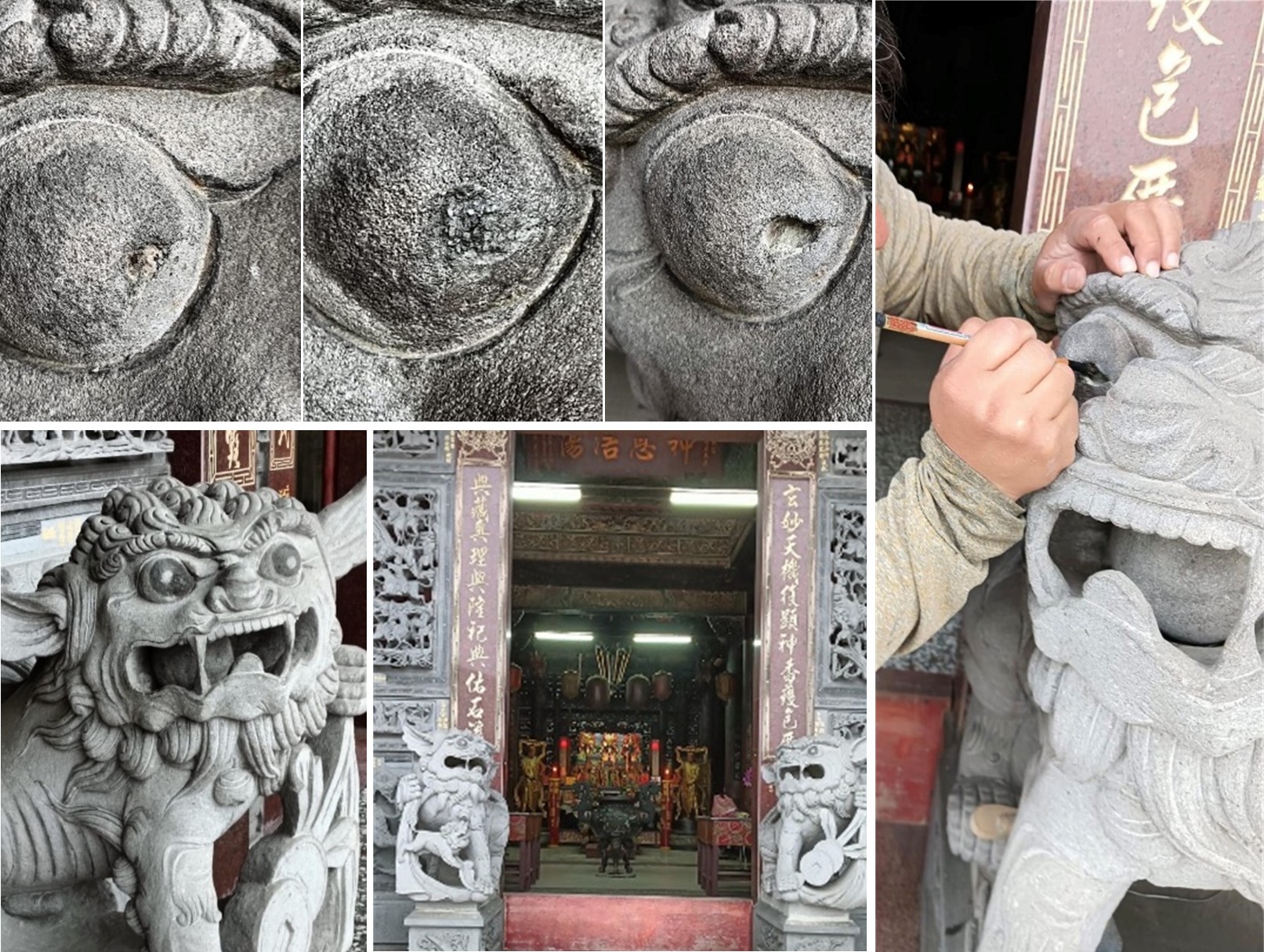
An eye doctor treating a tiger’s eyes using MICP.
The related research has resulted in multiple patents and completed technology transfers, demonstrating the substantial potential of microbial mineralization in the environmental, construction, and materials industries.
2. 生物礦化奈米材料與綠色合成技術
2. Biomineralized Nanomaterials and Green Synthesis Technologies
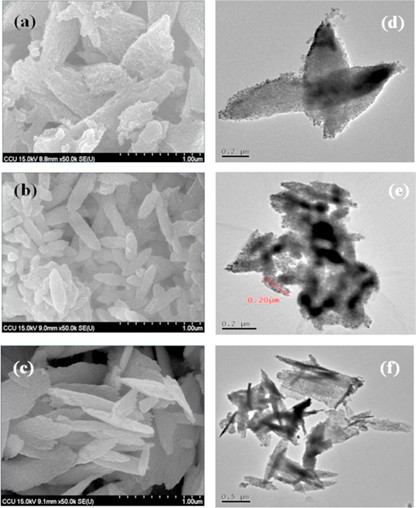
The laboratory employs bacteria, microalgae, and other biological systems to synthesize zinc oxide, titanium dioxide, mesoporous silica, and other nanomaterials, reducing the dependence of conventional chemical synthesis on high temperatures, intensive energy consumption, and toxic reagents.
Research topics include material-formation mechanisms, crystal structures, surface properties, antibacterial and antiviral functions, photocatalytic performance, heavy-metal adsorption, and environmental safety. The objective is to establish green nanomaterial manufacturing processes that combine high performance, low environmental impact, and industrial feasibility.
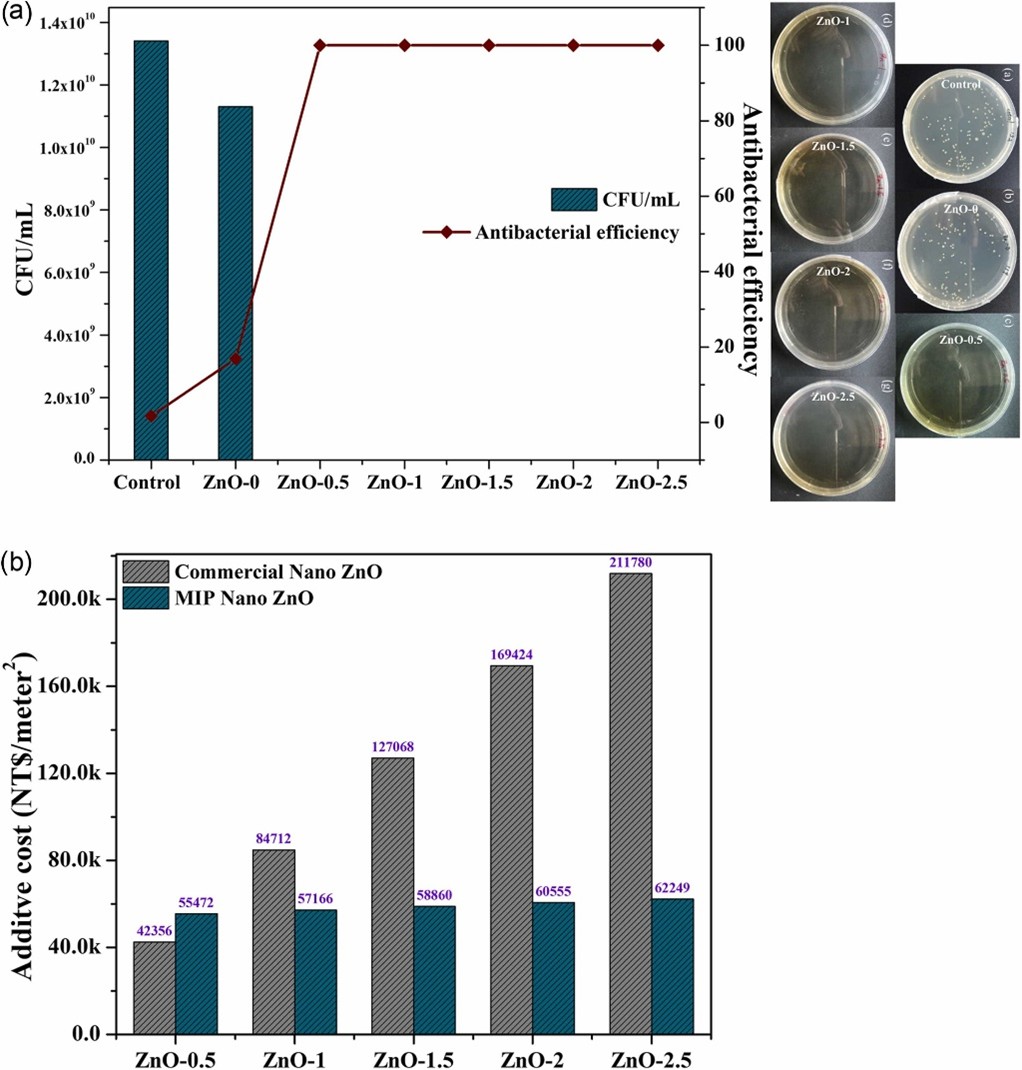
Cost-effective microbial induced ZnO synthesis for building material: Antibacterial, photocatalytic and mechanical characteristics, Environmental Technology and Innovation, 2024
3. 泡沫分離與生物表面活性劑技術
3. Foam Separation and Biosurfactant Technologies
Foam separation and biosurfactants can be applied to the concentration, separation, and removal of contaminants from polluted water and soil. The laboratory focuses particularly on microbially derived surface-active compounds such as surfactin and investigates their multifunctional applications in heavy-metal removal, oil-pollution treatment, nanomaterial synthesis, and biotechnological processes.
These technologies offer several advantages, including mild operating conditions, relatively low environmental impacts, and compatibility with other treatment processes. They therefore provide greener alternatives to conventional chemical treatment methods.
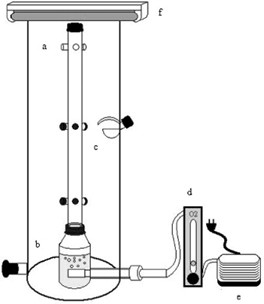
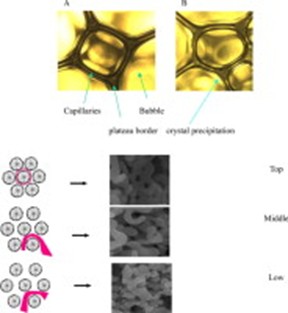
Foam fractionation of crystal growth for nanotechnology, Chemical Engineering Journal, 2012
Foam fractionation of crystal growth for nanotechnology, Chemical Engineering Journal, 2012
4. 地下水與土壤砷污染及復育技術
4. Arsenic Contamination and Remediation in Groundwater and Soil
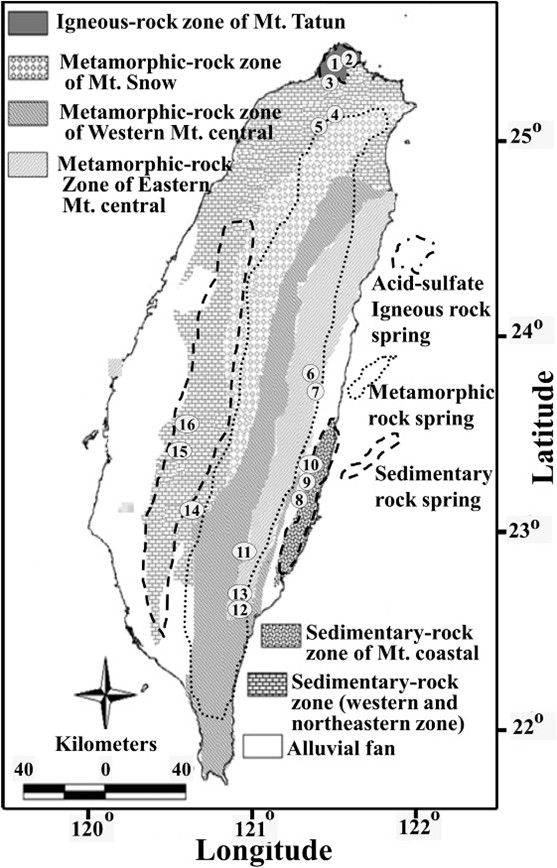
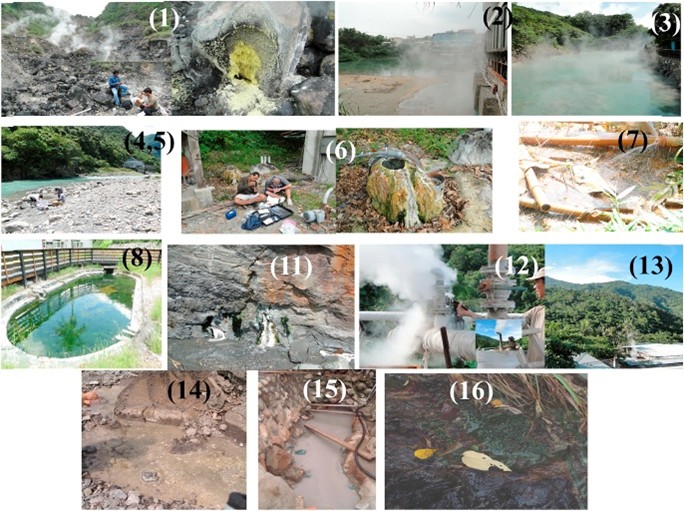
Hydrogeochemical reconnaissance of arsenic cycling and possible environmental risk in hydrothermal systems of Taiwan, Groundwater for Sustainable Development, 2017
Professor Chen has long been engaged in biogeochemical research on arsenic contamination in groundwater. He collaborates with scholars from Bangladesh, India, Japan, Türkiye, the United States, Sweden, Australia, and other countries to investigate the sources, release, transport, and accumulation mechanisms of arsenic under different geological conditions worldwide.
The laboratory integrates natural mineral materials, microbial processes, adsorption technologies, and nanomaterials to develop sustainable, scalable, and regionally appropriate arsenic-remediation methods. It also examines the effects of arsenic exposure on environmental health and social development.
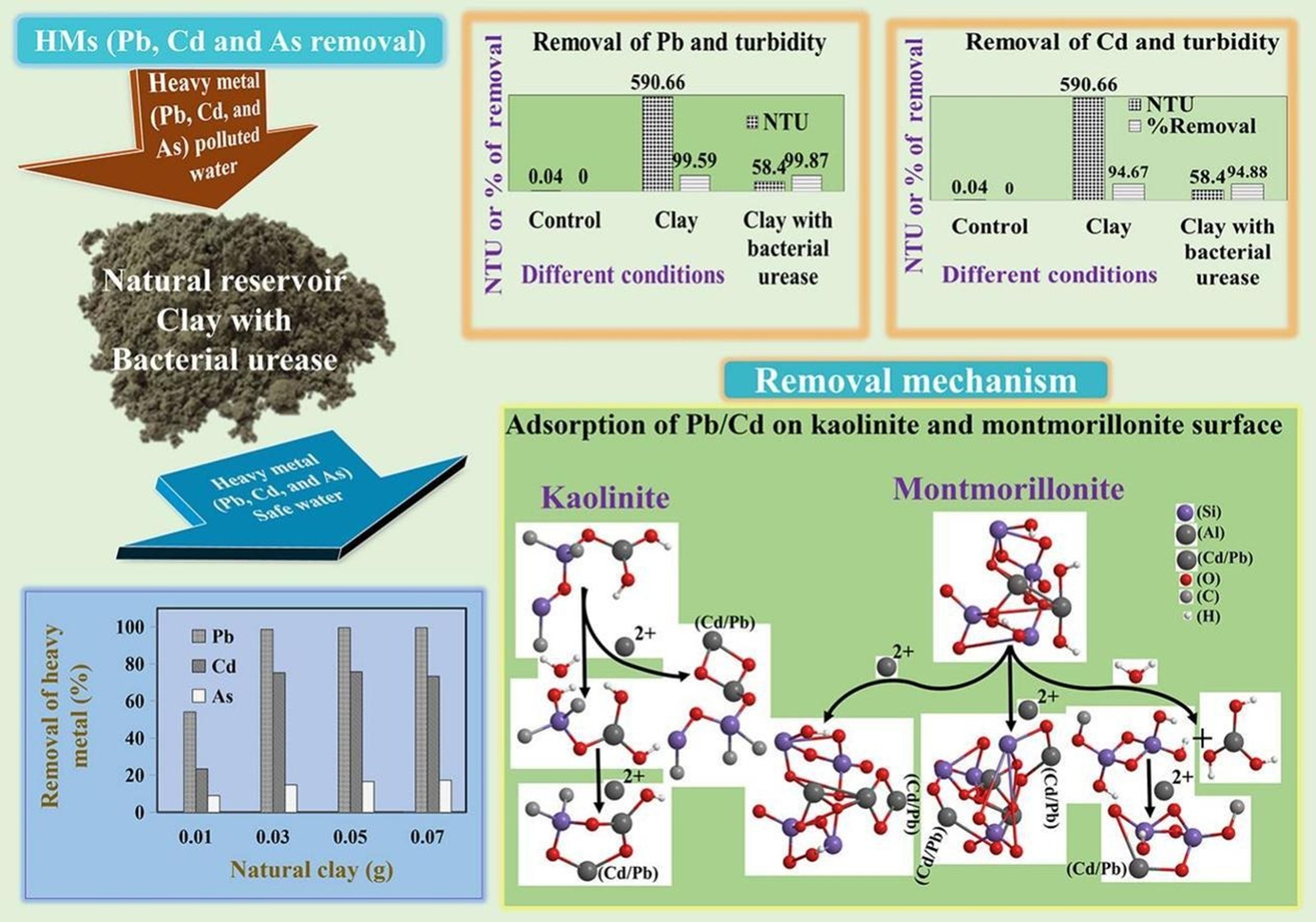
Ecofriendly removal of Lead, Cadmium and Arsenic along with turbidity from contaminated water using natural reservoir clay (NRC) and S. pasteurii derived urease
Desalination, 2023
5. 微生物生物轉化與環境生態毒理
5. Microbial Biotransformation and Environmental Ecotoxicology
This research area investigates the physiological responses and biotransformation mechanisms of microorganisms exposed to heavy metals, metalloids, and organic contaminants, including:
- 污染物的生物降解與生物轉化
Biodegradation and biotransformation of contaminants - 細菌在環境壓力下的適應機制
Bacterial adaptation mechanisms under environmental stress - 金屬硫蛋白在金屬累積與解毒中的作用
Roles of metallothioneins in metal accumulation and detoxification - 氧化壓力、抗氧化反應及細胞保護機制
Oxidative stress, antioxidant responses, and cellular protection mechanisms - 污染物、微生物及礦物界面的交互作用
Interactions among contaminants, microorganisms, and mineral interfaces
These findings improve our understanding of how microorganisms adapt to contaminated environments and provide an important scientific foundation for bioremediation, risk assessment, and environmental management.
6. 微生物燃料電池與廢水資源化
6. Microbial Fuel Cells and Wastewater Valorization
Microbial fuel cells (MFCs) employ microorganisms to degrade organic matter while simultaneously generating electricity, thereby integrating wastewater treatment, pollution reduction, and energy recovery.
The EBMM Lab investigates how different electrogenic microorganisms, electrode materials, operating conditions, and contaminant compositions affect system performance. The laboratory also integrates biomineralized materials with microbial fuel cells to improve treatment efficiency, electron-transfer capacity, and system stability.
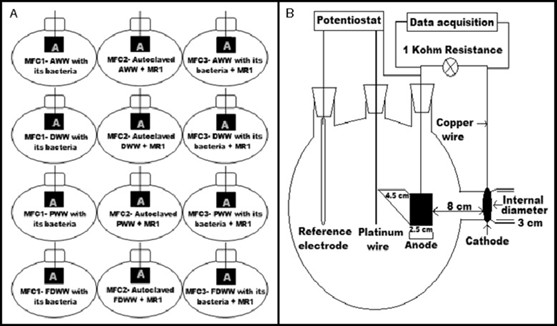
Comparative bioelectricity production from various wastewaters in microbial fuel cells using mixed cultures and a pure strain of Shewanella oneidensis
7. 海洋油污鑑識、生物降解與綠色清理技術
7. Marine Oil-Spill Forensics, Biodegradation, and Green Cleanup Technologies
The laboratory investigates catastrophic oil-spill events and marine fuel contamination through petroleum characterization, source identification, stable-isotope fingerprinting, microbial degradation analysis, and environmental risk assessment.
In a study of the oil-spill incident at Sizihwan in Kaohsiung, the research team found that indigenous microbial communities possessed a strong capacity to degrade complex hydrocarbons, indicating that native microorganisms can serve as valuable resources for oil-pollution bioremediation. The laboratory also successfully developed hydrophobic calcite particles that can be used for oil adsorption and pollution cleanup while improving the water resistance and durability of construction materials.
Current research further integrates chemical composition analysis, stable carbon and hydrogen isotope fingerprinting, and artificial intelligence to establish rapid technologies for marine oil-spill forensics and source comparison.
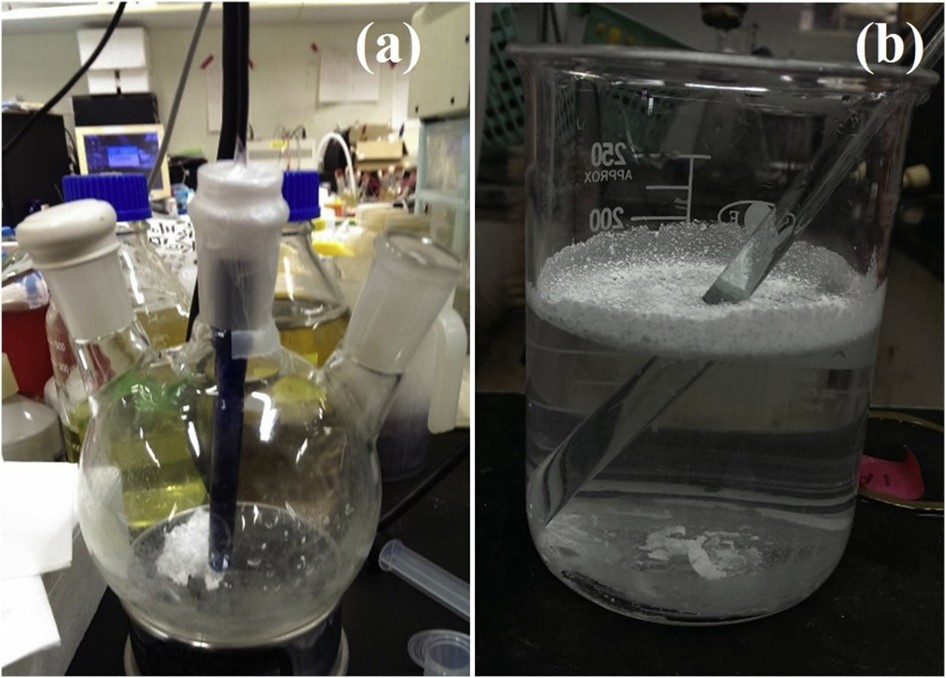
Green technological approach to synthesis hydrophobic stable crystalline calcite particles with one-pot synthesis for oil–water separation during oil spill cleanup
Water Research, 2017
8. 紅樹林、藍碳與重金屬生物地球化學
8. Mangroves, Blue Carbon, and Heavy-Metal Biogeochemistry
Mangroves, salt marshes, and seagrass beds are important coastal blue-carbon ecosystems. The laboratory investigates carbon stocks, carbon sources, accumulation rates, and long-term sequestration capacities in coastal sediments. It also evaluates the roles of blue carbon and black carbon in climate-change adaptation, carbon management, and net-zero policies.
The research team also investigates how mangrove roots, sediments, and rhizosphere microorganisms influence the adsorption, immobilization, and bioavailability of heavy metals and arsenic. Salt-tolerant phosphate-solubilizing rhizobacteria (PSRB) have considerable potential to promote plant growth and facilitate heavy-metal remediation and may be applied to wetland restoration, coastal environmental management, and sustainable agriculture.
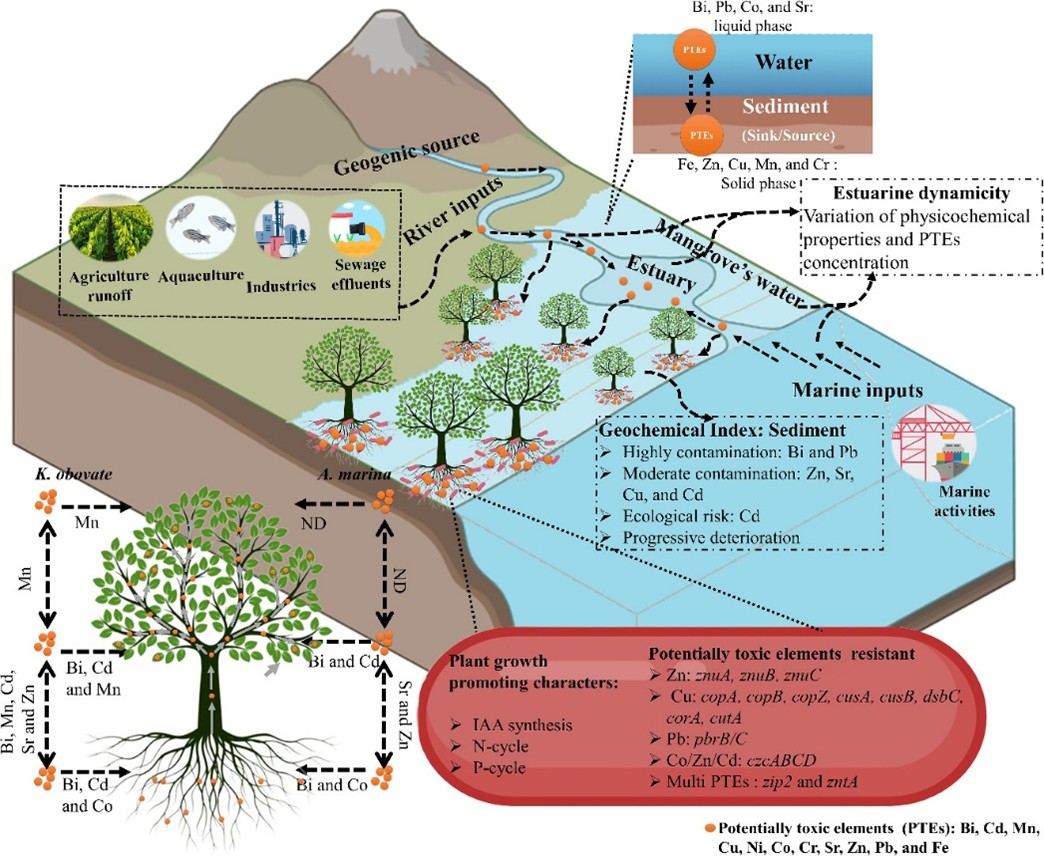
Evaluation and mitigation of potentially toxic elements contamination in mangrove ecosystem: Insights into phytoremediation and microbial perspective
Marine Pollution Bulletin, e2024
9. 環境DNA與DNA條碼技術
9. Environmental DNA and DNA Barcoding Technologies
Environmental DNA (eDNA) is a non-invasive and highly sensitive tool for biodiversity monitoring. It enables researchers to identify species present in an environment by detecting biological genetic material collected from water, soil, or sediment.
The laboratory applies eDNA and DNA barcoding technologies to distribution monitoring of invasive golden apple snails in Taiwan, species identification, plant-diversity analysis, and research on ecological interactions. These technologies can improve the efficiency of monitoring rare, invasive, and aquatic species and provide scientific evidence for biodiversity conservation and ecological management.
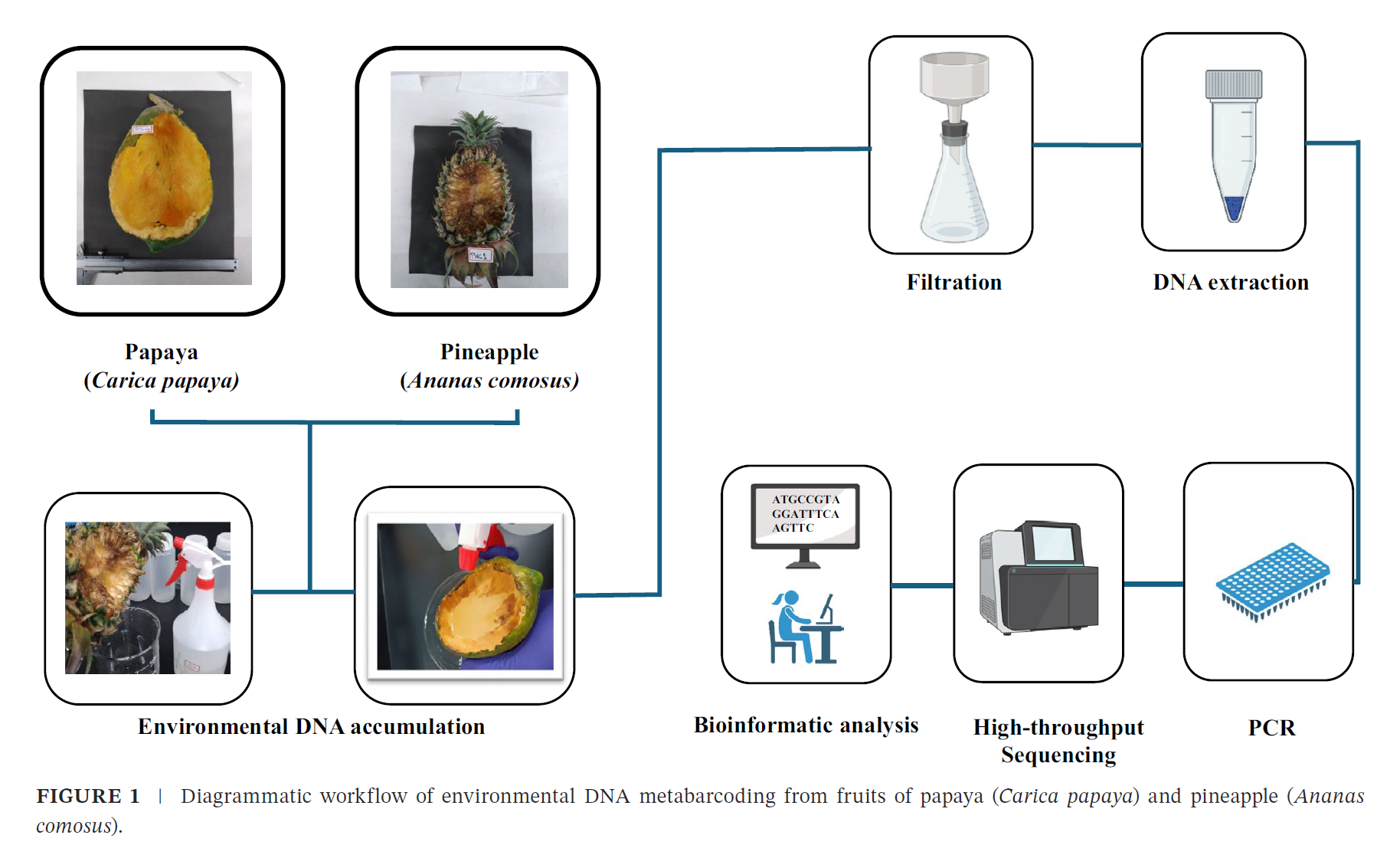
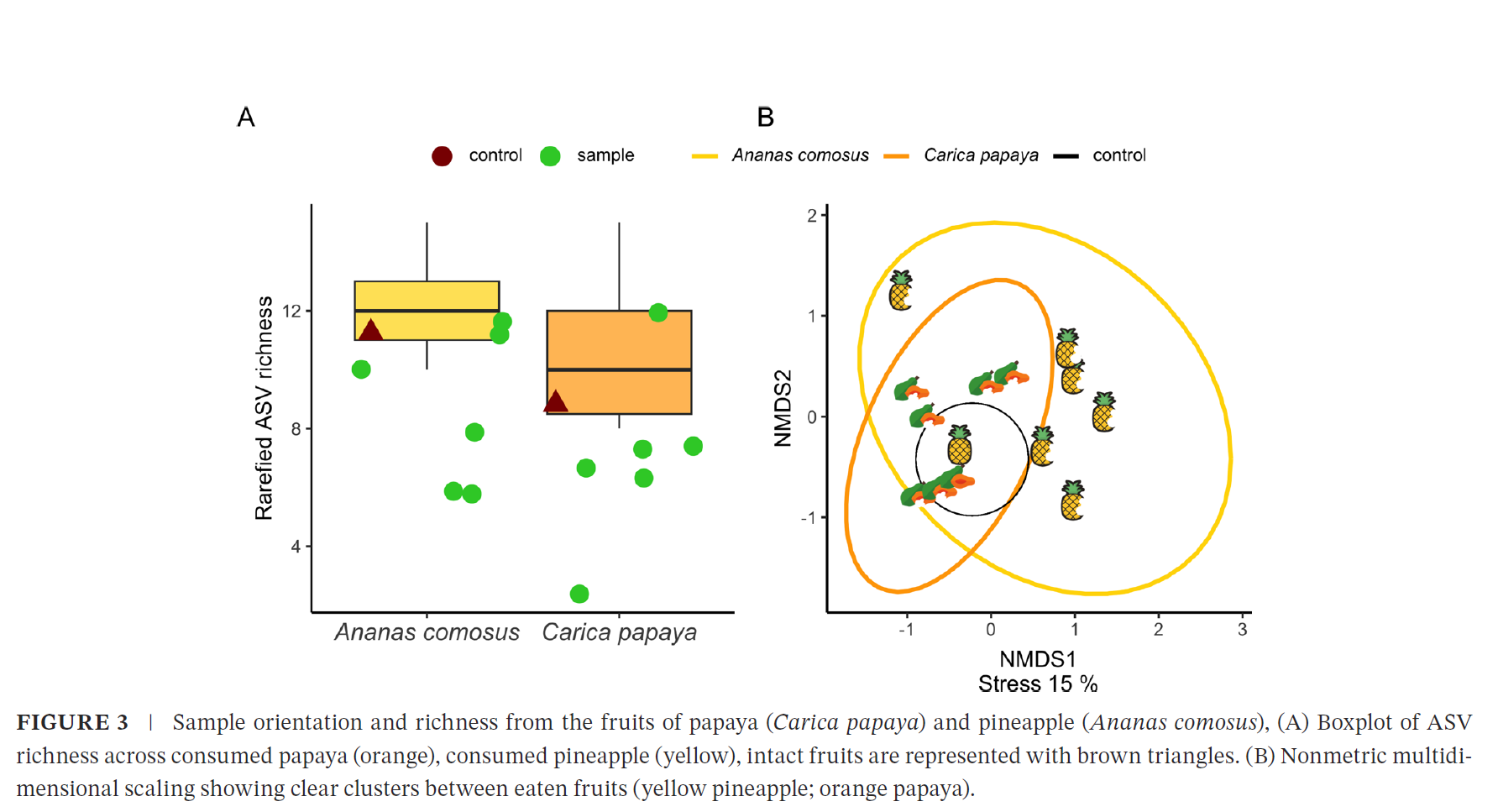
Harnessing Environmental DNA to Explore Frugivorous Interactions: A Case Study in Papaya (Carica papaya) and Pineapple (Ananas comosus), Environmental DNA, 2025
10. 微塑膠污染與人工智慧鑑識
10. Microplastic Pollution and Artificial Intelligence-Based Identification
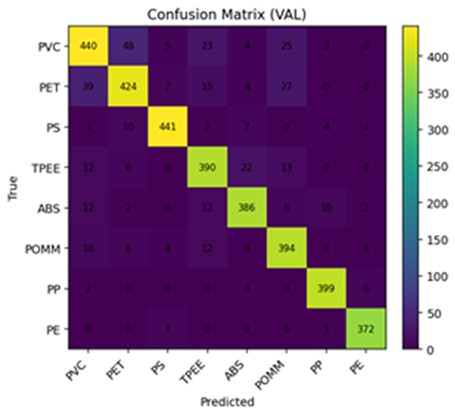
The EBMM Lab actively develops technologies for microplastic sampling, analysis, and artificial intelligence-based identification. The research integrates Fourier-transform infrared spectroscopy, micro-FTIR spectroscopy, Raman spectroscopy, and hyperspectral imaging to characterize the abundance, size, shape, color, and polymer composition of environmental microplastics.
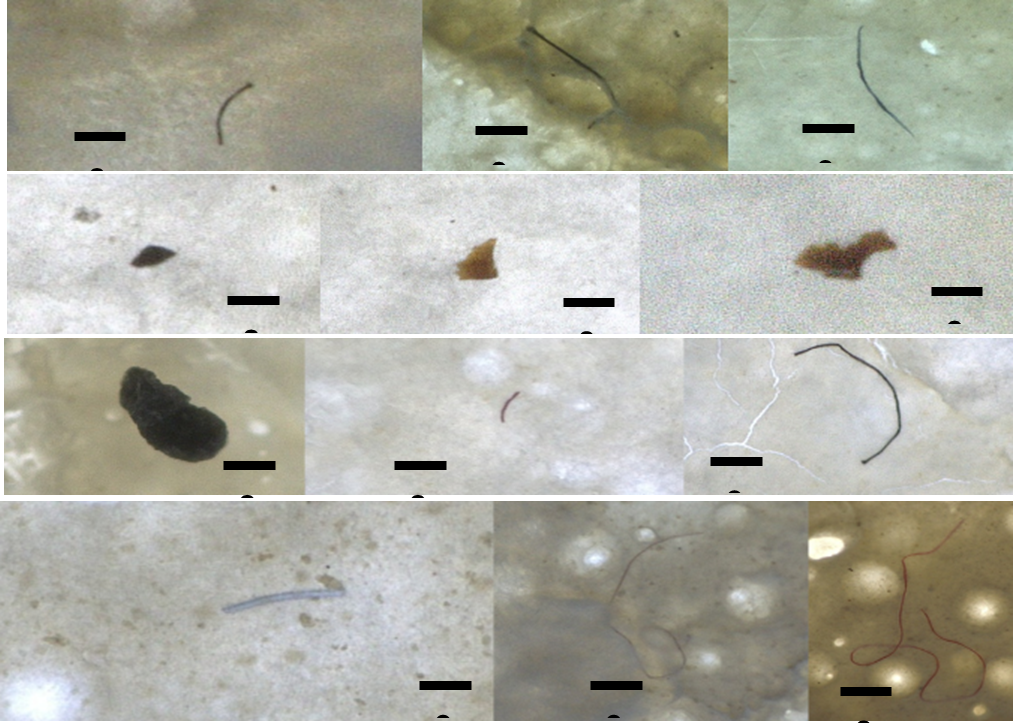
By establishing artificial intelligence models and spectral databases, the laboratory aims to improve the efficiency and accuracy of microplastic identification and further trace pollution sources, environmental transport pathways, and potential ecological risks.